It might seem odd that nations with no access to the ocean would maintain naval forces, but many do. Kazakhstan and Azerbaijan, for example, keep many naval vessels on the enormous Caspian Sea. Switzerland and Burundi have armed patrol boats on their border lakes. These forces, however, are not separate military entities, but integrated into the other armed forces. What makes the following nations unique is that they maintain separate military organizations identified as navies, but these forces have access only to inland rivers and lakes.
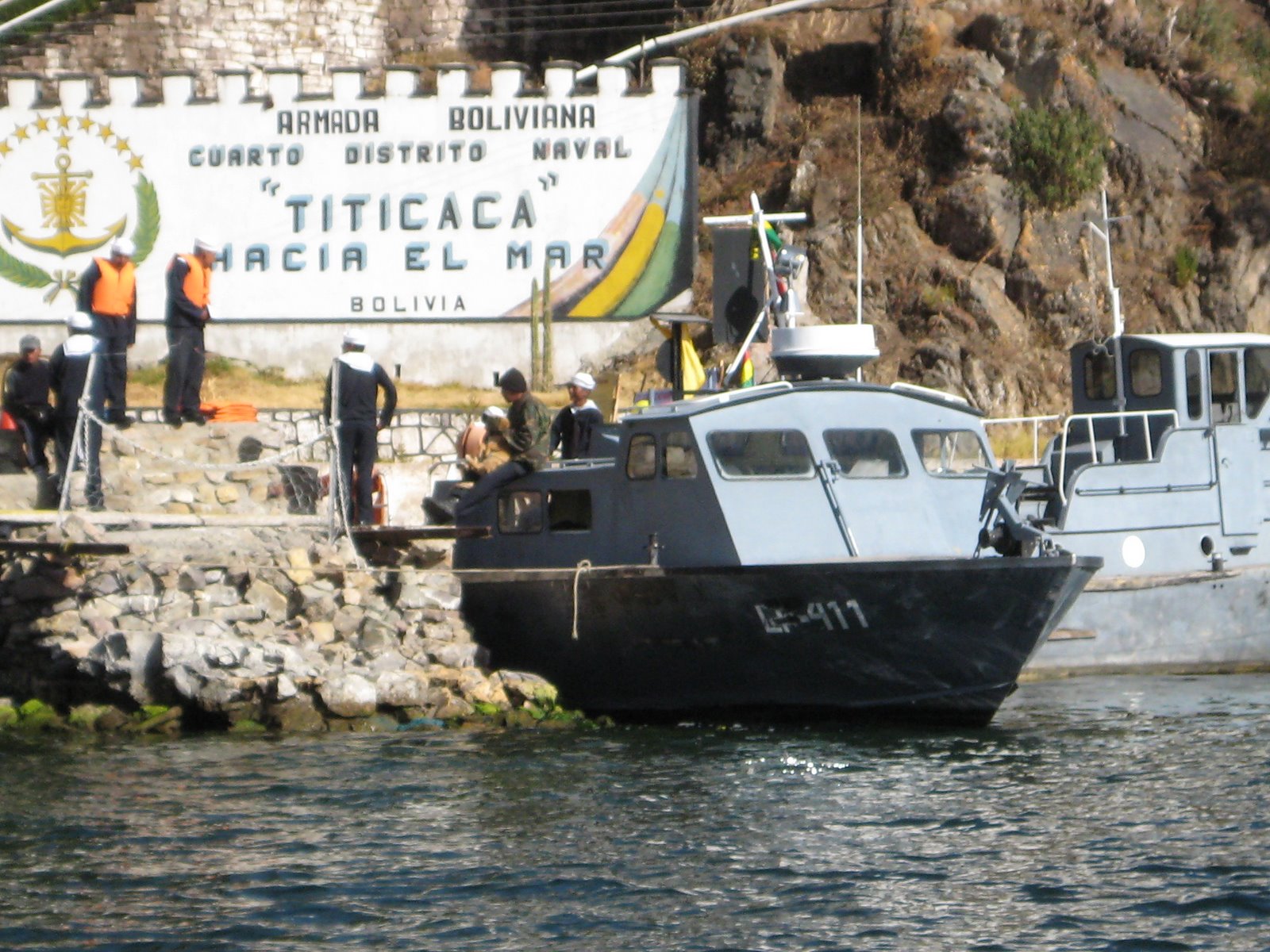
Boliva once had a substantial coastline, but lost it after a defeat by Chile in the War of the Pacific (1879-1884). Bolivia has never forgotten this blow and did not disband its navy, though it lacked anywhere on the sea to base it. Instead, it rebuilt its flotilla of ships on Lake Titicaca, a large lake that it shares with its wartime ally Peru. Every year, on March 23, the nation commemorates "Bolivia Sea Day" and its representatives at the United Nations call upon Chile to return the territory. The Chilean government is not adverse to the notion of retuning a narrow corridor of territory along its northern border, but Peruvian objections and other issues have so far prevented a resolution of this border dispute. In the meantime, the Bolivian Naval Academy trains navy and marine corps officers to lead the 4,500-man force. The sailors experience actual sea duty serving in the navies of friendly Latin Amercian neighbors. And the fleet of fourteen patrol boats, six transports, two hospital ships, and two research vessels patrols Lake Titicaca and several tributary rivers of the Amazon -- all in preparation for the day when Bolivian territory again reaches to the Pacific Ocean.
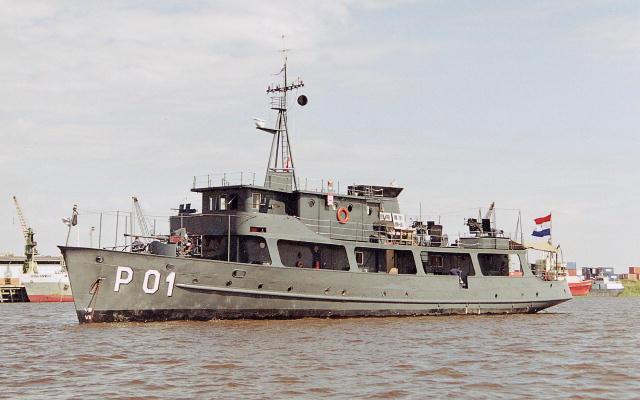
Paraguay, to the east, never had access to the sea. But its economy is tied to the Rio Paraná and the Rio Paraguay, so it has longed maintained a substantial brown water navy. This would prove essential to preserving its independence during the War of The Triple Alliance (1864-1870) against Argentina, Brazil, and Uruguay. It fought gallantly but unsuccessfully at the Battle of Riachuelo (1865), one of the largest riverine engagements in modern naval history. Today, its 2,500 sailors, including 500 marines, protect the nation's rivers on sixteen patrol boats, three amphibious assault ships, and seven support vessels. After basic training in-country, Paraguyan sailors gain experience in the navy of Argentina before assuming their duties at home.