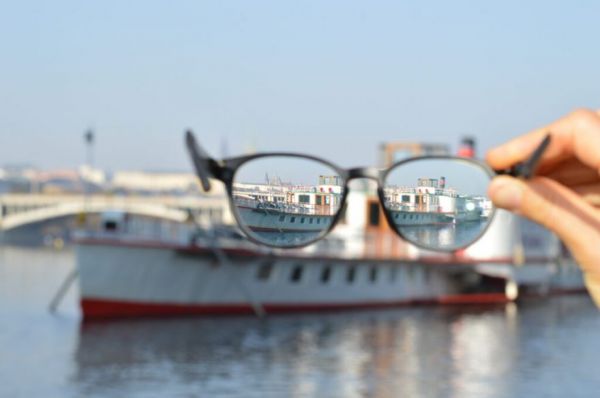
If you have trouble seeing distant things clearly, or if you have to hold something close to your eyes to see it, you have myopia, also called short-sightedness or nearsightedness. It's pretty common, and becoming more common as time goes by. Around the world, about a third of people are myopic now, and that rate is expected to rise to about 50% by 2050. It's caused by the eyeball growing too much, meaning growing too long from front to back, which causes the focal point of incoming signals to converge in front of the retina instead of on the retina.
What's causing the rise in myopia? It's not the prevalence of computers, phones, and other screens, because the rates were rising before those became common, but they don't help, either. Studies point to two factors: children doing a lot of schoolwork and spending less time outdoors. But we still don't know what it is about those things that affect our sight. Myopia is not curable (yet), but there are ways to slow its progression, including spending more time outside, more exposure to intense light, hi-tech contact lenses, certain medicines, and red light therapy. Read about the epidemic of myopia at Science Focus. -via Real Clear Science
(Image credit: Regina Chlumská)